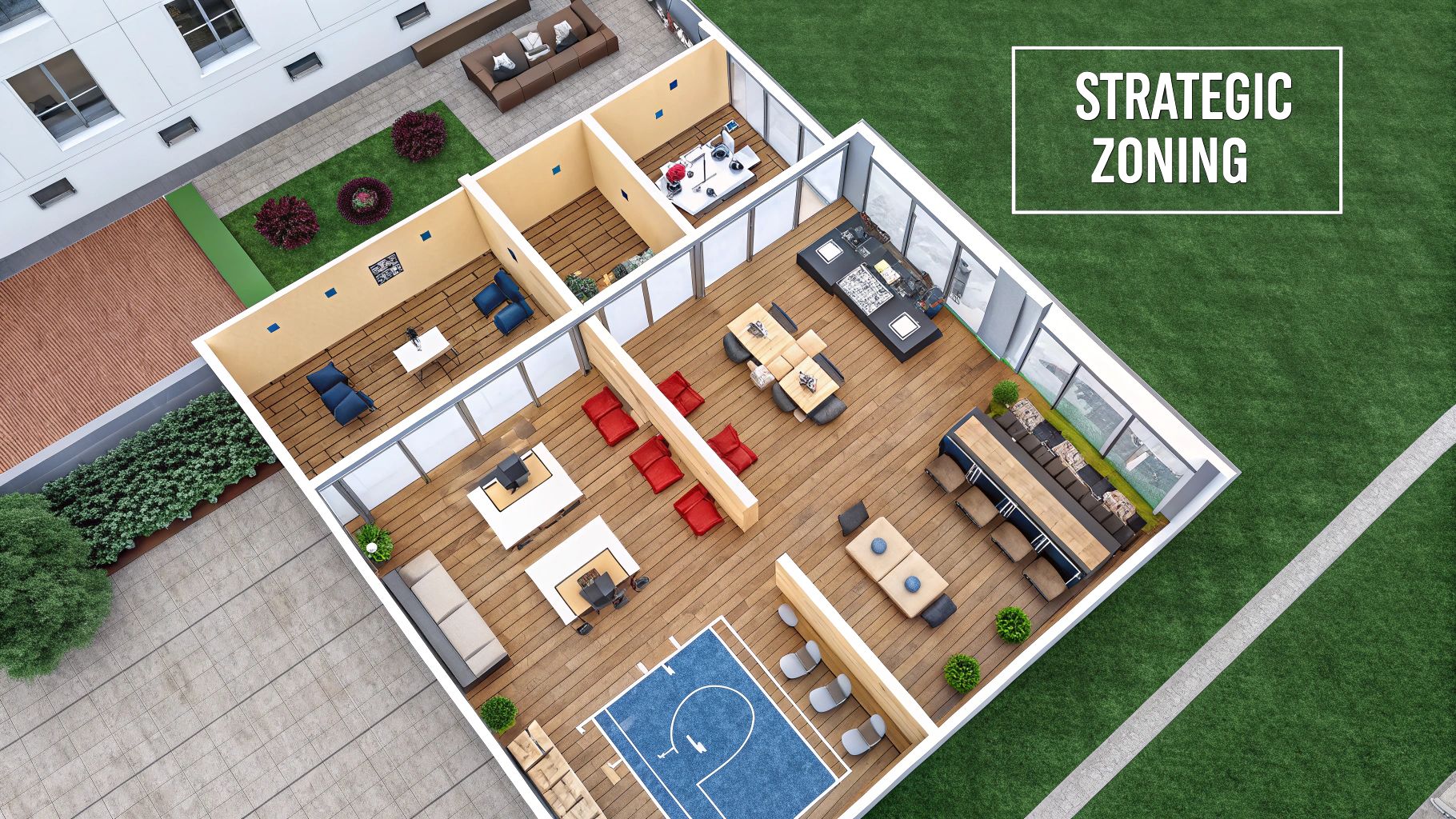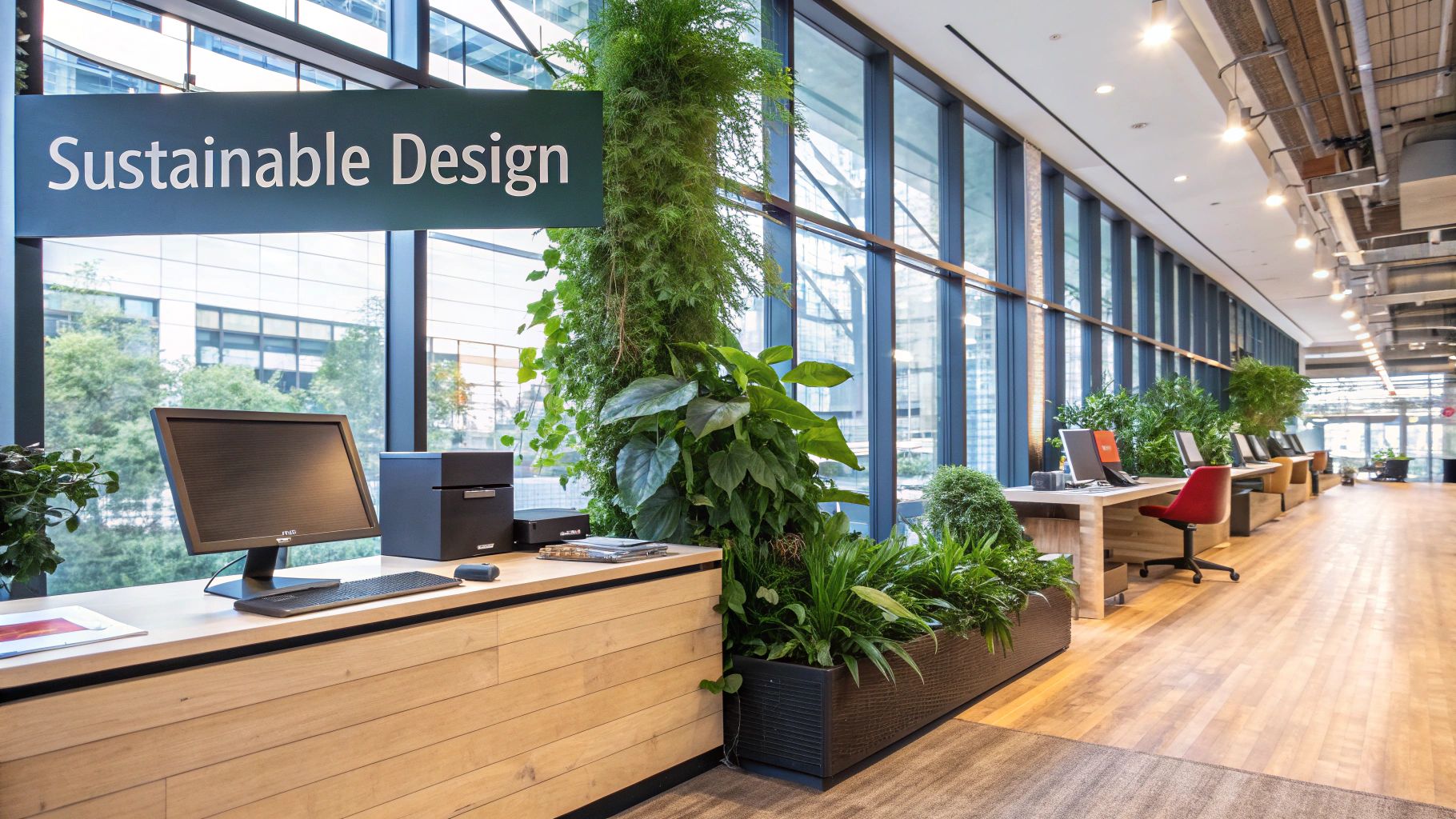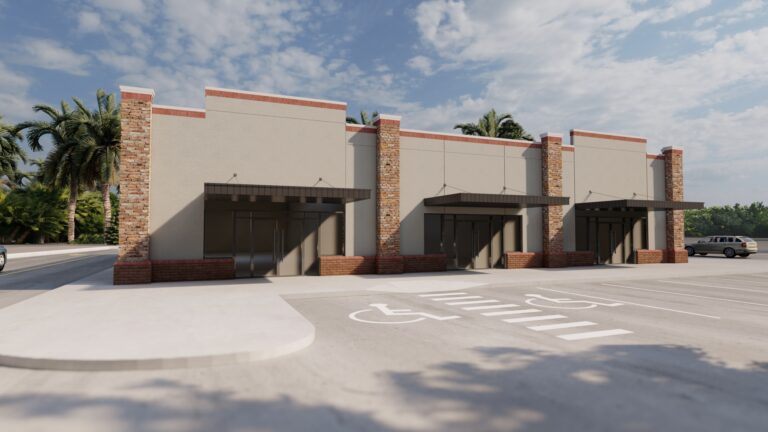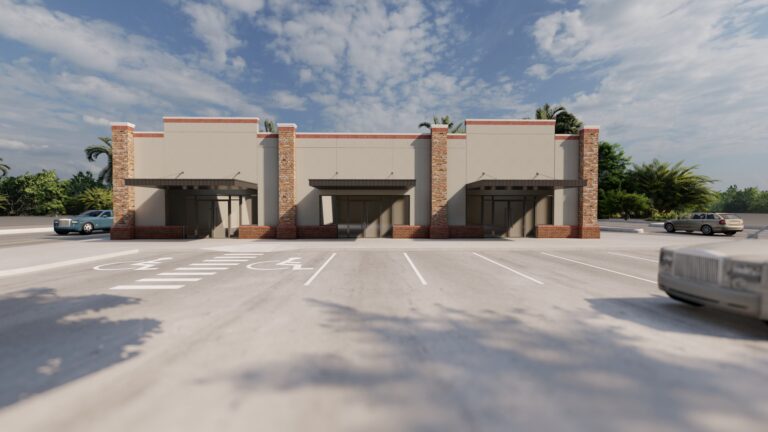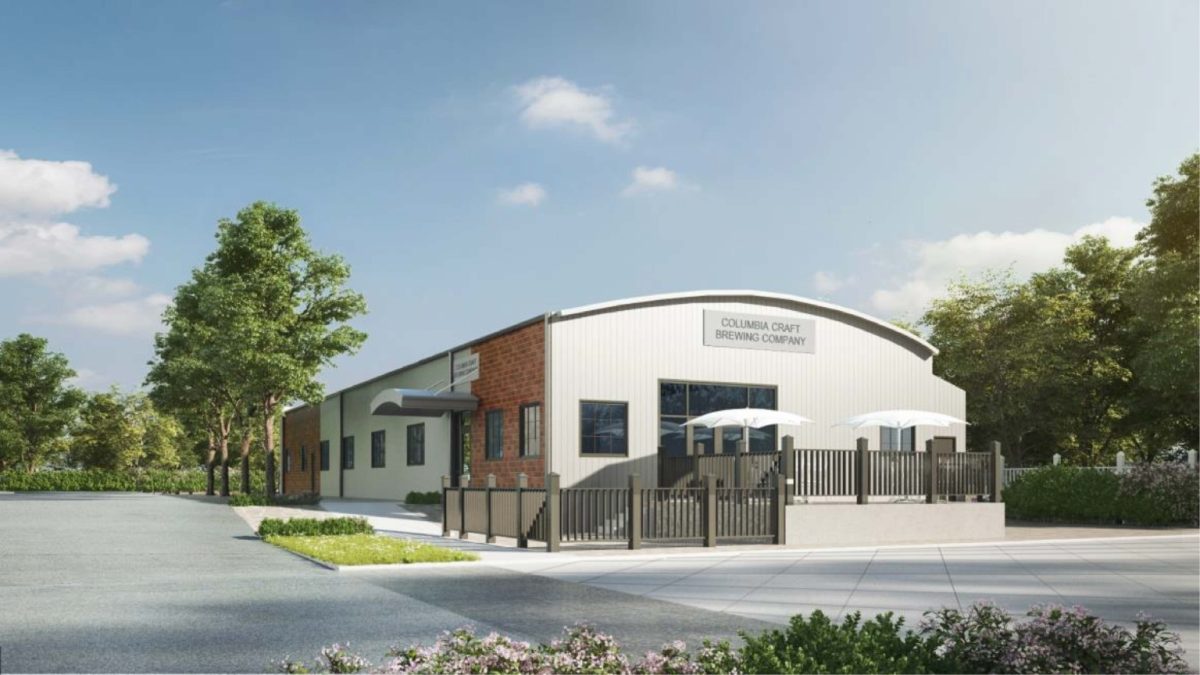
An eco-friendly architect designs buildings and spaces with a clear mission: to leave the smallest possible footprint on the environment. They weave sustainability into every decision, focusing on everything from energy efficiency and responsible materials to the health of the people who will eventually live or work inside. It's about being environmentally conscious from the first sketch to the final nail.
What an Eco-Friendly Architect Actually Does
Calling an eco-friendly architect just a "designer" is a bit like calling a chef a "cook." Sure, it's true, but it misses the depth of their work. A sustainable architect is really a systems thinker, looking at a building's entire life—from its conception on paper to its deconstruction many decades down the road. Their job goes way beyond pretty pictures and functional floor plans.
Think of them as part artist, part scientist, and part environmental guardian. Their main goal is to create structures that feel like they belong in their environment, working with it instead of against it. This requires a deep knowledge of how a building will use resources, respond to the local climate, and affect the well-being of its occupants.
A Lifecycle Approach to Design
Traditional architecture often zeroes in on upfront construction costs and curb appeal. An eco-friendly architect, on the other hand, takes a much wider view. They consider the entire lifecycle of a building.
This means asking questions like:
- Sourcing and Materials: Where are our materials coming from? They'll always look for local, recycled, and renewable options first to slash the carbon footprint tied to manufacturing and shipping.
- Energy Consumption: How will we heat, cool, and light this place? They use clever passive design strategies—like positioning windows to catch winter sun—to minimize the need for power-hungry HVAC systems.
- Water Usage: How can we be smart about water? Rainwater harvesting systems and low-flow fixtures aren't afterthoughts; they're baked right into the design from day one.
- End of Life: What happens when the building's purpose is served? They design for deconstruction, making sure materials can be salvaged and reused instead of being hauled off to a landfill.
An eco-friendly architect doesn't just design a building; they design an ecosystem. Their work is about creating a symbiotic relationship between a structure, its occupants, and the planet, ensuring one doesn't thrive at the expense of the others.
Beyond Blueprints and Beams
At its core, the work of an eco-friendly architect is all about intelligent problem-solving. They play a huge role in tackling the massive environmental impact of our buildings, which account for nearly 40% of U.S. carbon emissions.
By making smarter choices at the very beginning of a project, they create spaces that are not only better for the planet but are also healthier and cheaper to run over time. Their influence sets the tone for a building’s entire environmental story.
Why Sustainable Architecture Is More Urgent Than Ever
To really get why eco-friendly architecture matters so much, we have to look at the massive footprint our buildings leave on the planet. The way we construct and run our homes, offices, and community spaces plays a huge role in the climate crisis—driving energy consumption, draining resources, and pumping out carbon emissions.
The problem is the sheer scale of it all. Buildings are responsible for nearly 40% of global CO2 emissions. That's not a small piece of the pie; it's one of the biggest slices. This puts architects and designers in a powerful position where every single choice they make has a real environmental impact.
Breaking Down a Building's Carbon Footprint
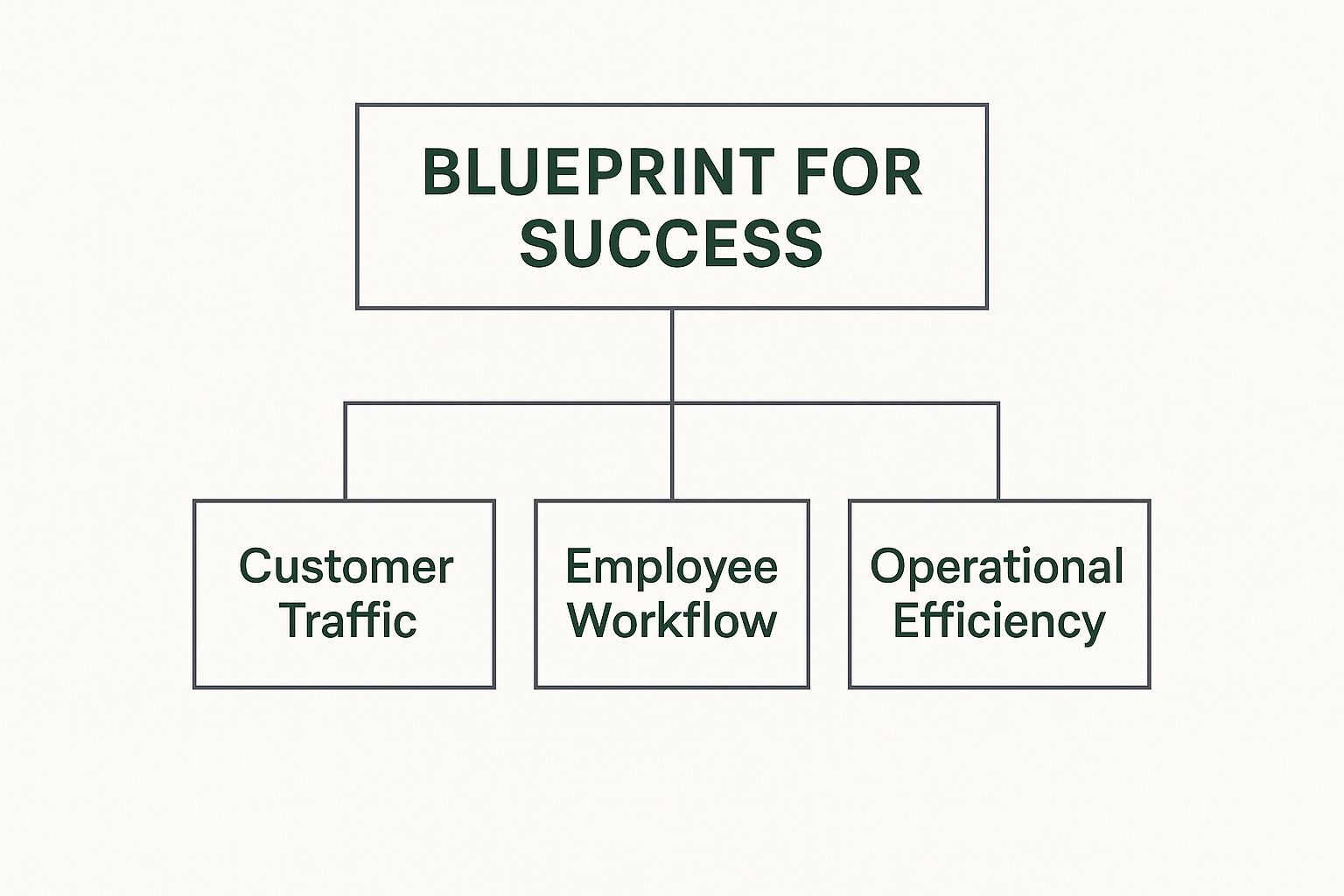
A building’s carbon footprint isn't just one big number. It's actually made of two different parts, and a good sustainable architect knows how to tackle both. Thinking about them separately makes it easier to see where the biggest problems are and how to fix them.
This is a simple way to visualize how a building's total emissions are split into two key categories.
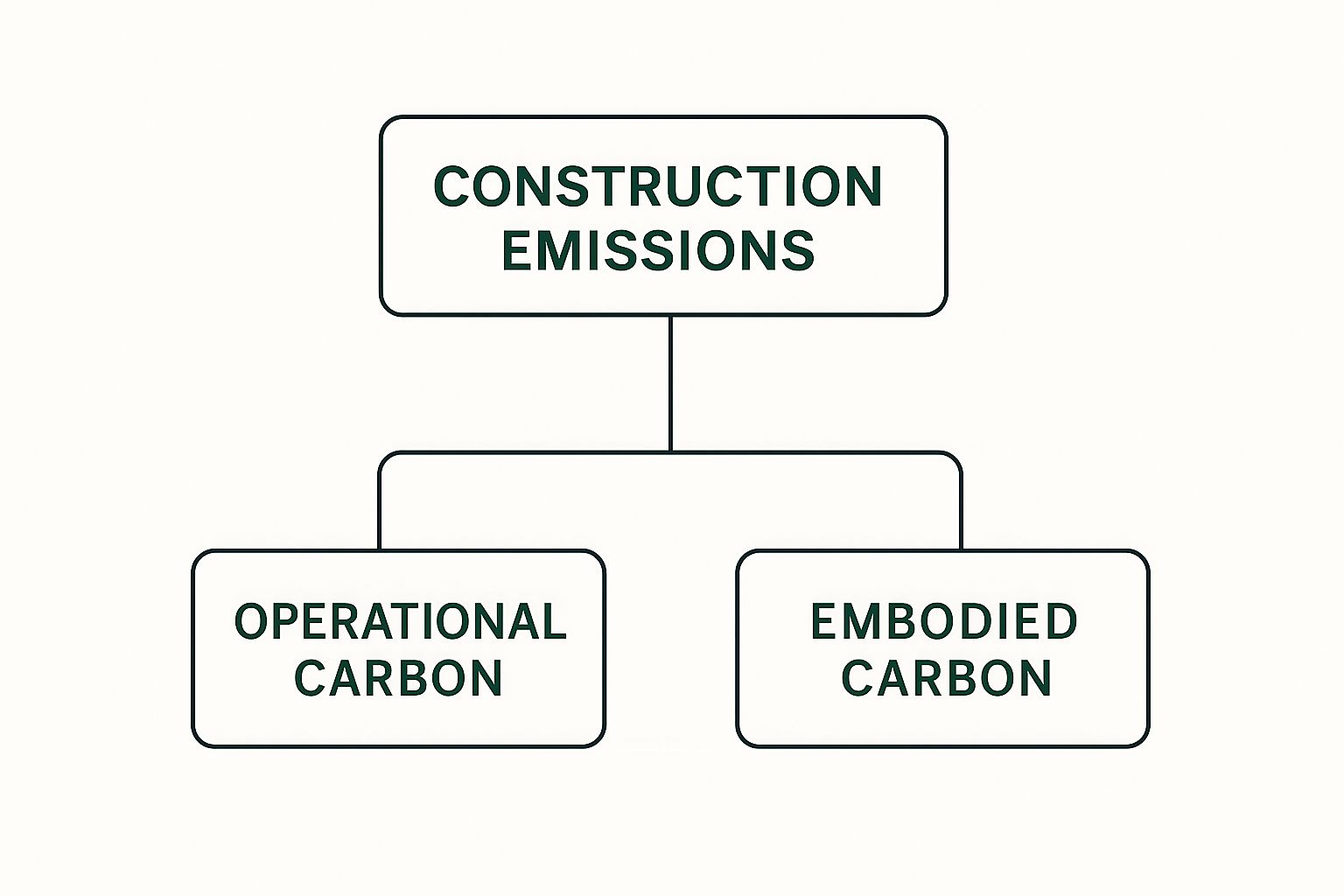
To create a genuinely green building, you have to get a handle on both operational and embodied carbon.
Let's dig into what these really mean:
-
Operational Carbon: This is all the carbon a building produces while people are actually using it. Think of it as the building's daily energy habit—the power it needs for heating, cooling, lighting, and running everything inside. A poorly designed building is like a car with a leaky fuel tank, constantly wasting energy and spewing emissions for decades.
-
Embodied Carbon: This is the carbon footprint created before anyone even steps inside. It’s the sum of all emissions from making materials like concrete and steel, shipping them to the site, and the energy used to put it all together. It's the building's upfront carbon cost.
An eco-friendly architect looks at the whole picture by focusing on both operational and embodied carbon. They design buildings that sip energy day-to-day and are also built with materials and methods that cause less harm from the very beginning.
How the Industry Is Responding
Faced with this massive impact, the world of architecture is finally starting to shift. The industry is realizing its carbon footprint isn't just about the lights left on in the office; it's about the decades of emissions from the buildings they design. This has sparked major initiatives to push for change. A great example is the AIA's 2030 Commitment, which has signed up over 1,350 firms dedicated to making their projects net-zero by the year 2030.
This isn't just talk; it represents a major change in mindset. The push for green design is also about embracing renewable energy sources, like harnessing solar energy, to dramatically cut down on that operational carbon.
At the end of the day, hiring a sustainable architect isn't just a "nice-to-have" anymore—it's a direct response to a global crisis. Their skills are essential for creating buildings that are not only beautiful and practical but also act as responsible guardians of our planet, helping us build a healthier and more resilient future.
Core Principles of Green Building Design
Behind every truly sustainable building, there's a set of intelligent, common-sense strategies. These principles are the playbook an eco-friendly architect uses to create spaces that are healthier for us and gentler on the planet.
This isn't about overly complex tech; it's about thoughtful design that works with nature, not against it. Think of these as the key ingredients in a recipe for a better building. Grasping them gives you the vocabulary to discuss your own project and spot the genius behind great sustainable architecture.
Harnessing Nature With Passive Design
The most elegant principle is passive design—the art of making a building heat, cool, and light itself naturally. It’s like designing a sailboat to perfectly catch the wind, rather than just strapping a giant motor to it. This approach dramatically cuts the need for power-hungry mechanical systems.
An eco-friendly architect starts by studying the site's unique conditions: the sun's path, prevailing winds, and seasonal shifts. That knowledge shapes every design decision.
Key passive strategies include:
- Building Orientation: Positioning the building to soak up the sun's warmth in winter and avoid its heat in summer is the first, most critical step.
- Strategic Window Placement: Large, south-facing windows act like natural heaters in cold months. Smaller, shaded windows on the east and west prevent overheating when the sun is low.
- Natural Ventilation: Smart design allows cool breezes to flow through the building, reducing or even eliminating the need for air conditioning.
- Thermal Mass: Using materials like concrete, brick, or stone to absorb heat during the day and slowly release it at night helps keep indoor temperatures stable.
By mastering these techniques, an architect creates a building that’s inherently comfortable and needs far less energy to run.
Achieving Superior Energy Efficiency
While passive design minimizes energy needs, active energy efficiency makes sure the energy that is used isn't wasted. It’s like the difference between a cheap thermos that goes cold in an hour and a high-performance one that keeps your coffee hot all day.
This is achieved through a "whole-building" approach, where every component works together to create a sealed, well-insulated envelope.
The mantra is to build tight and ventilate right. An airtight building prevents conditioned air from leaking out, while a high-tech ventilation system brings in fresh air without wasting energy. This one-two punch is the secret to both efficiency and great indoor air quality.
For example, LEED-certified buildings can generate 50% less greenhouse gas emissions than conventional buildings, largely thanks to this intense focus on efficiency. When planning new projects, integrating renewables from day one is a core principle, a topic often explored in guides on Solar Panels for New Construction.
Thoughtful Material Selection
The materials used to construct a building carry a huge environmental footprint. An eco-friendly architect scrutinizes the entire lifecycle of every material, from its origin to its eventual disposal.
They prioritize materials that are:
- Locally sourced to reduce transportation emissions
- Made from recycled content
- Rapidly renewable (like bamboo or cork)
- Non-toxic and healthy for occupants
This careful selection lowers the building’s embodied carbon—the hidden carbon footprint from manufacturing and transport. Choosing reclaimed wood over virgin timber or using low-carbon concrete makes a massive difference before anyone even moves in.
Smart Water Conservation
Water is a precious resource, and sustainable architecture treats it that way. An eco-friendly architect designs systems that reduce consumption, recycle water, and manage stormwater responsibly. This goes way beyond just installing low-flow toilets.
Effective strategies often include:
- Rainwater Harvesting: Collecting rainwater from roofs and storing it in cisterns for things like garden irrigation or flushing toilets.
- Greywater Recycling: Capturing used water from showers and sinks, filtering it, and reusing it for landscaping.
- Permeable Surfaces: Using driveways and walkways that let rainwater soak into the ground, which recharges groundwater instead of overwhelming storm drains.
To tie these concepts together, here’s a quick overview of how these principles translate into practice.
Key Principles of Sustainable Architectural Design
| Design Principle | Objective | Example Application |
|---|---|---|
| Passive Design | To work with natural systems to heat, cool, and light the building. | Orienting the main living spaces to face south for winter sun; using overhangs to block high summer sun. |
| Energy Efficiency | To minimize energy consumption through superior building performance. | Installing triple-pane windows and high-R-value insulation to create a super-sealed building envelope. |
| Material Selection | To reduce the environmental impact of construction materials. | Sourcing reclaimed wood from a local demolition site; using insulation made from recycled denim. |
| Water Conservation | To reduce water use and manage stormwater effectively on-site. | Installing a green roof to absorb rainwater and a greywater system to irrigate the landscape. |
By weaving these four principles into the fabric of a design, an architect doesn't just create a building. They create a high-performance, healthy, and responsible environment.
Innovative Materials for Sustainable Buildings
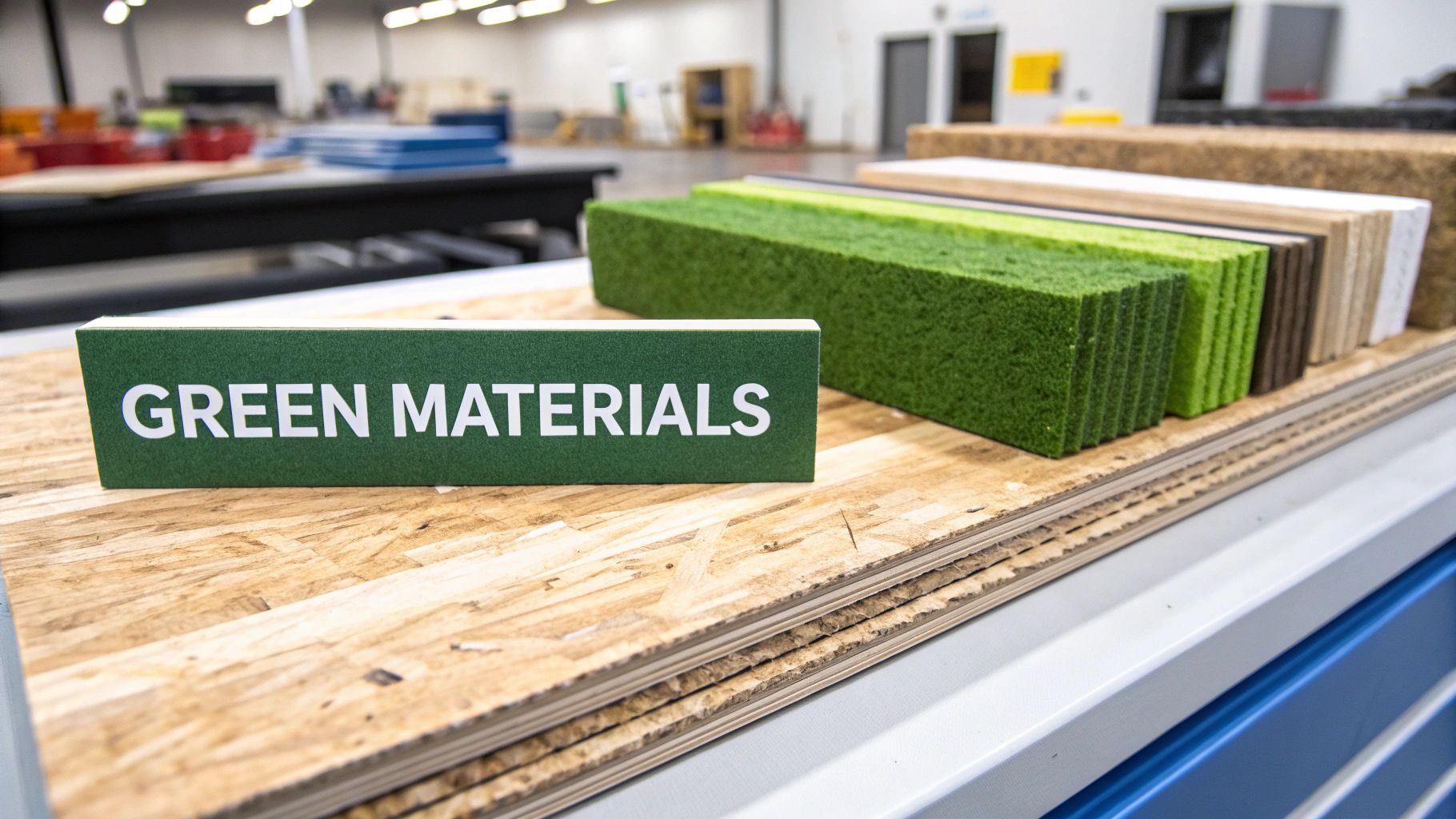
While smart design is the blueprint, the actual materials are what bring a sustainable building to life. Think of an eco friendly architect as a master chef who insists on fresh, local ingredients instead of processed ones. It’s all about moving away from materials with a huge environmental price tag, like traditional concrete and steel.
This means embracing a new generation of building materials—ones that are renewable, recycled, and healthier for us and the planet. By being selective about what goes into a building, architects can slash its embodied carbon, which is the total environmental cost tallied up before the lights are even turned on.
The Rise of Renewable and Recycled Materials
There's a quiet but powerful shift happening in construction, centered on materials that can be regrown or given a second chance. Instead of just pulling finite resources out of the ground, an eco friendly architect looks for alternatives that work with nature’s cycles. This approach favors resources that are either quickly renewable or rescued from the landfill.
Here are a few of the most exciting options making waves:
-
Cross-Laminated Timber (CLT): Imagine plywood on steroids. CLT is made by gluing layers of wood together at right angles, creating panels strong enough to replace steel and concrete in many buildings. Because it’s a wood product, it also sequesters carbon, locking it away for the building's entire lifespan.
-
Rammed Earth: This is an ancient technique with a modern appeal. Damp earth is compacted in layers inside a frame, creating incredibly thick and durable walls. Thanks to their high thermal mass, these structures are naturally energy-efficient, staying cool in the summer and warm in the winter.
-
Cork: Harvested from the bark of cork oak trees—without harming the tree itself—cork is a truly remarkable renewable material. It’s a fantastic choice for insulation and flooring, with natural resistance to both fire and moisture.
-
Recycled Insulation: You can now find high-performance insulation made from things like shredded blue jeans (denim) or old newspapers (cellulose). These products give waste a new purpose and often outperform traditional fiberglass without the potential health risks.
An eco friendly architect doesn't just ask, "What material is best for the job?" They ask, "What material is best for the job, the community, and the planet?" This holistic view is what separates sustainable design from conventional construction.
Understanding a Material's Lifecycle
Picking the right material isn't just about where it comes from. A true expert conducts a lifecycle assessment (LCA), which is like a complete background check on a material. It’s a deep dive into the environmental impact of a product from its cradle to its grave.
This assessment examines every single stage:
- Extraction: How were the raw materials gathered?
- Manufacturing: How much energy and water went into making it?
- Transportation: How far did it have to travel to get to the job site?
- Use: How durable is it? What kind of maintenance will it need?
- Disposal: Can it be recycled or reused, or is it destined for a landfill?
An LCA gives architects the hard data they need to make genuinely informed choices, ensuring that a material that looks green on the surface doesn’t hide a dirty secret.
Materials in Action: Inspiring a Greener Future
Seeing these materials in action proves that sustainability and stunning design can, and should, go hand-in-hand. With buildings responsible for around 37% of global carbon emissions, switching to eco-friendly materials isn't just a trend—it's an absolute necessity.
This shift is beautifully illustrated in projects like Wittywood in Barcelona, a gorgeous office building constructed entirely from wood that shows off the potential of plant-based materials. You can explore more on the latest trends in sustainable architecture that are already shaping our cities for the better.
These kinds of projects demonstrate how innovative material choices create buildings that are not only efficient and long-lasting but also inspiring to look at. By focusing on materials with a smaller environmental footprint, an eco friendly architect helps design buildings that are part of the climate solution, not the problem.
The Future of Eco-Friendly Architecture
The move toward sustainable building is more than just a passing trend. It's a deep-seated change in how we think about and create the spaces we live and work in, fueled by smarter technology and a growing public conscience. Choosing to hire an eco-friendly architect isn't just about doing the right thing anymore; it’s a sharp, forward-thinking investment in a future that's arriving faster than we think.
As clients grow more environmentally savvy and building codes get stricter, the core ideas of green design are shifting from a niche interest to a fundamental expectation. We can see this change in the numbers. By 2023, a solid 20% of new commercial buildings in OECD countries had earned green building certifications, a noticeable climb from just 15% in 2020. This isn't a slow crawl—the market for sustainable architecture is on track to grow by about 16% each year through 2027, pushed along by big ideas like net-zero energy and circular construction. For a deeper dive into these numbers, the 2024 Global Status Report lays it all out.
The Push for Net-Zero Buildings
One of the biggest goals on the horizon is making net-zero energy buildings the new normal. So, what is a net-zero building? Imagine a home or office that creates as much clean energy as it uses over a year. It's like having a perfectly balanced energy budget.
An eco-friendly architect gets there with a one-two punch of smart strategies:
- First, they design the building to be incredibly efficient, using high-performance insulation, an airtight shell, and clever passive design to slash energy needs from the get-go.
- Then, they cover that small remaining energy footprint with on-site renewables like rooftop solar panels or geothermal systems.
The result is a building that pretty much powers itself. This shields owners from unpredictable energy costs and dramatically shrinks its carbon footprint.
Embracing Circular Construction
Another game-changing concept gaining traction is circular construction. For hundreds of years, our approach to building has been linear: take resources from the earth, make something, and toss it in a landfill when its time is up. Circular construction throws that entire model out the window.
The central idea is to design for deconstruction. Instead of seeing a wrecking ball as the end of a building's life, an eco-friendly architect plans for it to be carefully disassembled. This allows valuable materials—steel beams, windows, timber—to be salvaged and given a second life in new projects.
This way of thinking treats buildings less like disposable products and more like material banks for the future. It's a powerful shift that cuts down on waste, preserves precious resources, and avoids the massive carbon emissions that come from manufacturing new materials.
Biophilic Design and Human Wellbeing
Finally, the future of architecture is tapping into a simple truth: we feel better when we're connected to nature. Biophilic design is all about weaving natural elements, light, and patterns into our buildings to boost our health and happiness.
This is much more than just sticking a few plants in the corner. An eco-friendly architect applying biophilic principles will:
- Flood spaces with natural light and frame views of the outdoors.
- Use natural materials you can see and touch, like wood and stone.
- Incorporate forms and patterns that echo the natural world.
- Create direct connections to nature with features like living walls or rooftop gardens.
The benefits are real and measurable. Studies have shown that buildings designed this way can make people more productive, lower stress levels, and even help them recover from illness faster. It’s a beautiful reminder that what's good for the planet is almost always what's best for us, too.
How to Choose the Right Eco-Friendly Architect
Finding the right architect is probably the single most important decision you'll make for your sustainable project. This isn't just about hiring someone to draw up blueprints; it's about finding a true partner who gets your vision, shares your environmental values, and has the technical chops to make it all happen. A great eco-friendly architect doesn't just bolt on a few green features—they weave sustainability into the very DNA of the design from day one.
So, how do you find that person? It means looking past the slick photos and digging into their actual expertise in green building. Your goal is to find an architect whose work, qualifications, and design philosophy all click with your dream of a healthier, more efficient, and responsible building.
https://www.youtube.com/embed/KTEVHQBAU_Y
Start With Their Portfolio and Credentials
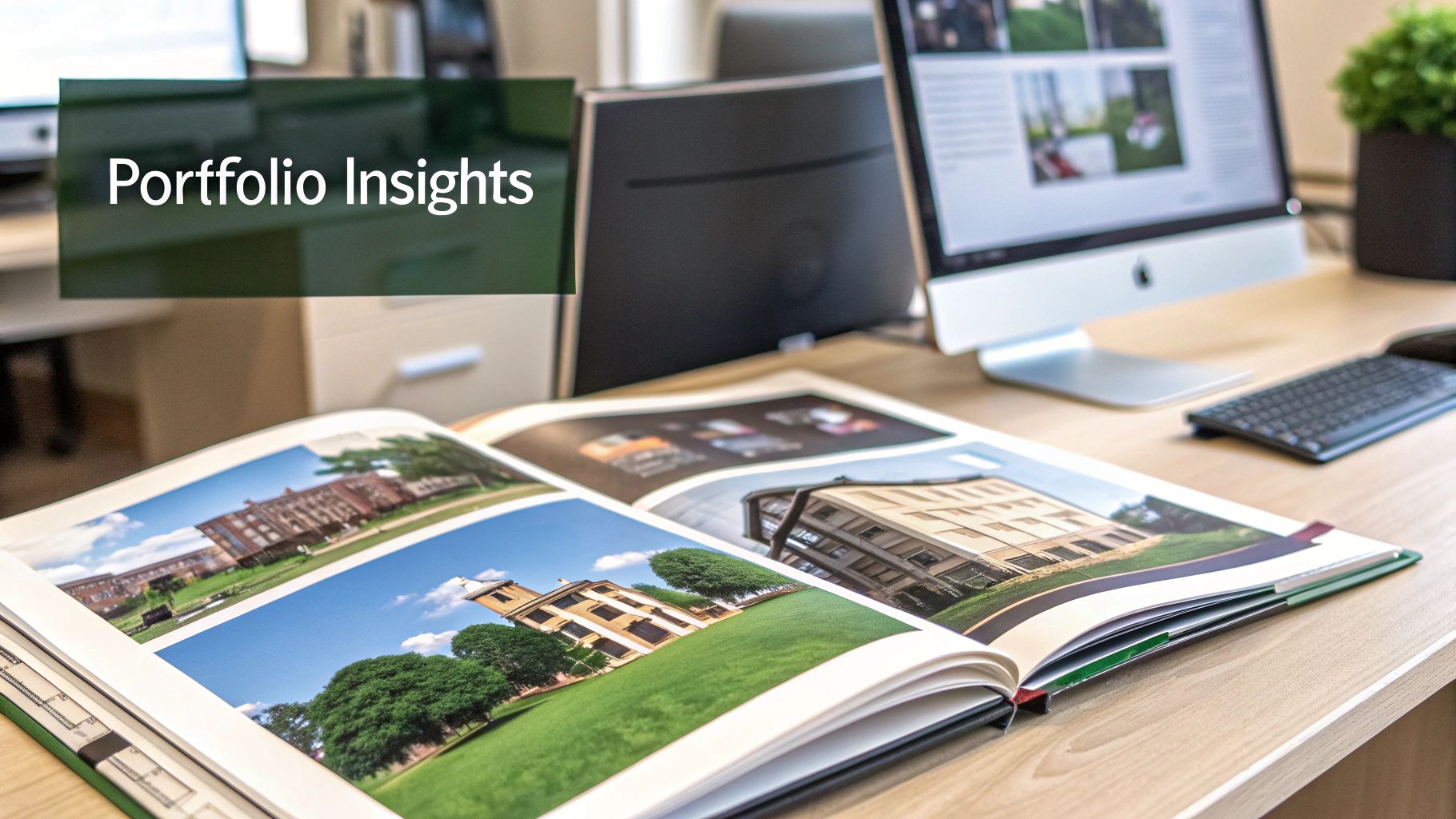
The first thing to do is a deep dive into their past work. A portfolio is much more than a collection of pretty pictures; it’s the architect's resume written in brick, glass, and steel. Look for projects that actually use the sustainable strategies you care about, whether that's clever passive solar design, integrated rainwater harvesting, or experience with innovative materials like cross-laminated timber.
Beyond the visuals, you need to verify their qualifications. An architect who truly specializes in this field will have credentials to back up their claims. Look for specific certifications that prove they've mastered sustainable design standards.
- LEED Accreditation: Holding a LEED (Leadership in Energy and Environmental Design) credential means they're fluent in the world's most recognized green building rating system.
- Certified Passive House Consultant (CPHC): This one is a big deal. It signals a high level of skill in designing buildings that are so efficient they barely need any heating or cooling at all.
- Other Relevant Credentials: Familiarity with other major standards, like BREEAM or the ultra-rigorous Living Building Challenge, shows a serious and ongoing commitment to the field.
These aren't just acronyms for a business card; they prove the architect has invested the time and effort to gain specialized knowledge that goes far beyond the latest green buzzwords.
Know What to Ask in the Interview
Once you have a shortlist, the interview is where you find out if they're the right fit. This is your chance to get a feel for their process, their problem-solving skills, and their passion for the work. You need to come prepared with questions that test the depth of their knowledge.
Here are a few sharp questions to get you started:
-
"Can you walk me through your experience with green building certifications like LEED or BREEAM on a past project?"
This question will quickly reveal if they’ve actually been through the trenches of a certified project, with all its detailed documentation and strict design requirements. -
"What energy modeling software do you use to test a building's performance?"
Their answer tells you if they make decisions based on hard data. The best architects use sophisticated tools to optimize energy efficiency before a single shovel hits the ground, not after. -
"What are some of your go-to sustainable materials, and why do you choose them?"
Listen for the "why." This question gets at their practical, hands-on knowledge of materials, their supply chains, and how they perform in the real world.
A truly experienced eco-friendly architect won't just have generic answers. They’ll respond with confidence, citing specific examples from past projects and explaining why a certain strategy was the perfect solution for a particular climate, budget, or client.
Their responses should leave you feeling confident that they can be the guide your project needs. You're looking for someone who can translate your sustainable vision into a building that is not only beautiful but also truly high-performing.
Answering Your Questions About Eco-Friendly Architecture
When people first start exploring sustainable design, a few questions almost always come up. Let's clear the air on some of the most common ones to separate the myths from the reality of what an eco-friendly architect can do for you.
You're probably wondering about the bottom line. It’s the number one question we get.
So, Does an Eco-Friendly Architect Cost More?
It's a common misconception that building green automatically means spending more. While some high-performance materials might have a higher upfront cost, a good eco-friendly architect is obsessed with the bigger picture: long-term value.
Their real skill lies in smart, passive design strategies that drastically cut down your building's need for expensive heating and cooling systems. That initial investment quickly pays for itself through dramatically lower energy bills and reduced maintenance year after year.
Many green projects actually end up costing the same as conventional ones, especially when sustainability is baked into the plan from day one, not tacked on as an afterthought.
A truly sustainable design isn't just about saving the planet; it's about being financially savvy. A seasoned architect designs a building that’s a smart investment over its entire life, not just on the day you get the keys.
What’s the Difference Between "Green" and "Sustainable" Buildings?
This is another area where things can get a little fuzzy. People often use "green" and "sustainable" as if they mean the same thing, but in the world of architecture, they represent two different levels of thinking.
- Green: Think of this as adding eco-friendly features. It’s about the individual parts—installing solar panels, choosing recycled steel, or putting in water-saving fixtures. These are all great things.
- Sustainable: This is the holistic, all-encompassing philosophy. A truly sustainable building considers its entire lifecycle. It looks at everything from where the materials are sourced to the health of the people inside and how the building will perform economically for the next 50 years.
An eco-friendly architect doesn't just bolt on a few green gadgets. They strive for genuine sustainability, designing a complete, high-performance system where every part works in harmony.
Ready to bring structure to life with a focus on enduring, sustainable results? The team at Sherer Architects, LLC combines decades of experience with a commitment to client collaboration, guiding you through every stage of your project. Learn more about our approach at https://shererarch.com.