
When you’re dealing with a historic building, you're not just renovating—you're becoming a steward of its legacy. This is where a historic preservation architect comes in. They're a unique breed of professional, blending the roles of designer, historian, and materials scientist to breathe new life into old structures.
Their job is to research a building's unique story, navigate the maze of preservation laws, and apply traditional construction methods to honor its past. It's a far cry from just a standard remodel.
What a Preservation Architect Really Does
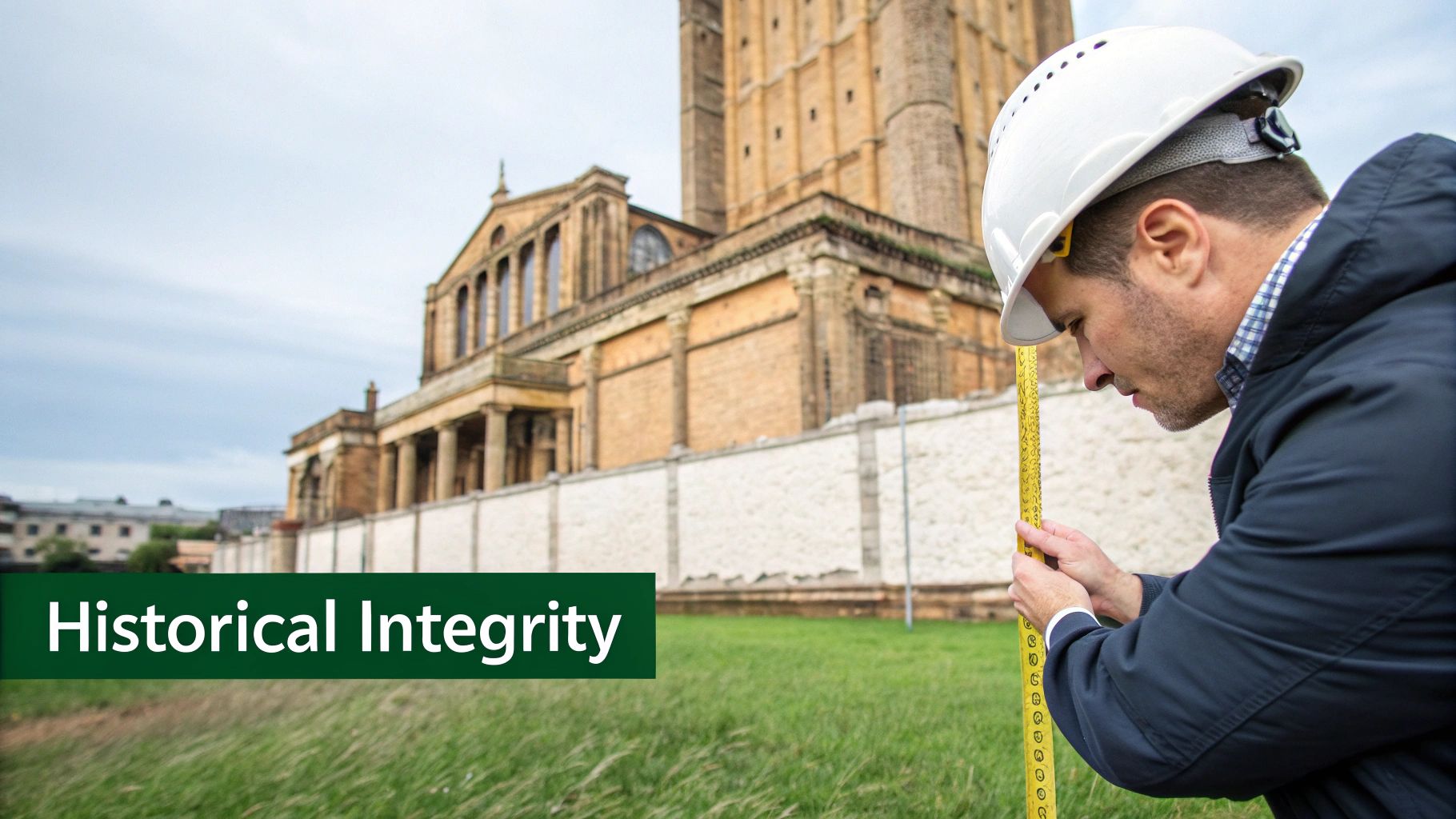
It’s a common misconception that any good architect can tackle a historic project. While any licensed architect can certainly design a building, a preservation specialist brings a completely different toolkit to the table. Their role is so much more than aesthetics; think of them as part historian, part detective, and part materials expert, all rolled into one.
This isn't just a niche field anymore. The global market for building preservation services was valued at around $45.22 billion this year and is expected to climb to $48.47 billion next year. That growth signals a real shift in valuing our architectural heritage, and with it, a demand for people who know how to do this work right. You can explore the full market report on building preservation services to see the trend for yourself.
To truly understand what sets them apart, it's helpful to see a direct comparison.
Key Differences Between a General Architect and a Preservation Architect
| Area of Focus | General Architect | Preservation Architect |
|---|---|---|
| Primary Goal | Create new, functional, and aesthetically pleasing spaces. | Conserve and restore existing historic fabric while adapting for modern use. |
| Materials | Focuses on modern, efficient, and readily available materials. | Specializes in historic materials (old-growth wood, lime mortar, etc.) and their repair. |
| Design Process | Starts with a "blank slate" or major demolition and redesign. | Begins with in-depth research and analysis of the existing structure. |
| Regulations | Navigates standard building codes and zoning laws. | Must also navigate complex preservation guidelines like the Secretary of the Interior's Standards. |
| Problem-Solving | Often solves problems by replacing old components with new systems. | Prioritizes repairing and retaining original features whenever possible. |
This table just scratches the surface, but it highlights the fundamental difference in mindset. One is about creating something new; the other is about carefully curating the old.
Beyond Standard Design Principles
A preservation architect’s main objective is a delicate balancing act: keep the building’s historic integrity intact while making it work for today. To do this, they have to understand not just how a building was put together, but why it was built that way, right down to the specific materials and techniques of its time.
Their work is incredibly hands-on and detailed. You can expect them to be responsible for:
- Digging into the Past: They’ll spend hours in archives, poring over old photos and blueprints to uncover the building’s original design, materials, and any changes made over the decades. This isn't just for fun—this research drives every decision.
- Analyzing Materials and Conditions: They assess the health of everything from the foundation masonry to the window glazing, determining what can be saved versus what truly needs to be replaced.
- Navigating a Labyrinth of Rules: These architects are fluent in local, state, and federal preservation standards. They know how to get a project approved without compromising its historic status.
- Integrating Modern Systems Sensitively: Their real magic is in figuring out how to thread modern HVAC, plumbing, and electrical systems through a historic structure without tearing its soul out.
A preservation architect doesn’t just see a building; they see a timeline. Their job is to read that timeline, respect its layers, and thoughtfully add the next chapter without erasing the ones that came before.
Here's a real-world example: Imagine you're restoring a 19th-century storefront. A general architect might suggest fiber cement siding—it's durable and low-maintenance. A preservation architect, on the other hand, would research the original wood clapboard, track down a historically accurate match, and specify an installation method that mirrors the original. That's the difference between a simple renovation and authentic preservation.
How to Vet Credentials and Real-World Experience
https://www.youtube.com/embed/UzawyIfI7gc
Finding a true historic preservation architect means digging deeper than a standard resume or a slick website. You're not just hiring a designer; you're bringing on a custodian for a piece of history. The trick is to verify the qualifications that genuinely matter in this niche field.
Start with their formal training. A standard architecture degree is the baseline, of course, but you should really look for advanced degrees or specialized certificates in historic preservation. These programs dive into the nitty-gritty of architectural history, materials conservation, and the specific standards that govern this kind of work.
Professional affiliations are another great sign of a dedicated expert. Being a member of organizations like the AIA Historic Resources Committee or local preservation societies shows an architect is invested and active in their community.
Look Beyond the Paper Trail
While credentials lay the groundwork, it's the real-world, hands-on experience that separates a passionate specialist from someone just dipping their toes in. An architect's project history is your best window into their capabilities, but you have to know what to look for.
When vetting credentials, it's also smart to look beyond the basics by understanding their engagement with professional bodies like the Royal Institution of Chartered Surveyors (RICS). Involvement like this shows a commitment to professional growth and staying on top of industry-wide practices.
A strong portfolio for a preservation architect should do more than just show off glossy "after" photos—it needs to tell a story. Keep an eye out for projects with these specific details:
- Similar Building Eras: Have they worked on buildings from the same period as yours? An architect who's a master of Victorian-era homes might not be the right person for a mid-century modern commercial space.
- Local Regulatory Success: Look for projects in your city or county. This is a huge plus because it means they likely know the local historic commission, the zoning quirks, and even the personalities you'll be dealing with.
- Material-Specific Expertise: Does your building have unique elements like a cast-iron facade or original terrazzo floors? Find an architect who has a proven track record with those exact materials.
Don't underestimate the complexity here. The global market for restoring historic buildings is valued at a massive USD 316 billion, but it’s a field with serious challenges. Roughly 25% of these projects get bogged down by high costs and a real shortage of craftspeople skilled in traditional techniques. An architect with proven, relevant experience is your best defense against these very common problems.
The best historic preservation architects have a portfolio that reads like a collection of solved puzzles. Each project should demonstrate not just a successful design, but a thoughtful solution to a unique historical challenge.
Ultimately, your goal is to find someone whose past work gives you total confidence. You need an architect who can delicately balance sensitive restoration with the practical needs of today, honoring your property’s past while securing its future.
Reading a Portfolio Like an Expert

An architect's portfolio is so much more than a gallery of finished projects. Think of it as a roadmap of their problem-solving skills, their design philosophy, and their respect for a building's past. When you're flipping through the work of a historic preservation architect, you're not just looking at pretty pictures—you're uncovering the story of how they tackle unique challenges.
The best portfolios tell the whole story, not just the happy ending. Your goal is to see their process and understand their approach to the complex, often messy, issues that are part of any real preservation project.
Look for the Story Behind the Images
A truly strong preservation portfolio offers a clear narrative for each building. You should be able to instantly grasp the "before" state and understand the architect's specific interventions. The most revealing portfolios go way beyond simple glamour shots of a finished facade.
As you look through their work, keep an eye out for these crucial elements:
- Detailed 'Before and After' Photos: This is non-negotiable. I'm not talking about a wide shot of a crumbling building next to a shiny new one. Look for images that really document the state of disrepair and the meticulous work that followed.
- Examples of Material Conservation: Does the portfolio include close-ups of repaired masonry, restored original windows, or expertly patched plaster? This shows a genuine, hands-on commitment to preserving historic fabric, not just ripping it out and replacing it.
- Clever Integration of Modern Systems: Let's be honest, this is one of the biggest hurdles. We need modern HVAC, electrical, and plumbing, but you can't just tear through historic walls to install it. Look for projects that showcase how they creatively concealed ductwork or sensitively integrated new technology.
A great portfolio doesn't just show you what an architect can do; it teaches you how they think. It should reveal a deep respect for the original structure paired with creative solutions for modern living.
For instance, a project might detail the restoration of a historic cast-iron facade. A good portfolio won't just show you the gleaming final product. It will explain the research into original paint colors, detail the methods used to repair cracks, and show how they protected that delicate material during the entire process. That’s the kind of depth you’re looking for.
Asking Questions That Reveal True Expertise
Once you've done your homework and reviewed their work, the portfolio becomes the perfect springboard for a deeper conversation. The questions you ask should probe their technical skills, how they work with others, and their problem-solving mindset. Remember, vague questions get vague answers.
Come to the interview ready with questions tied directly to their projects. It immediately shows you’ve paid attention and helps you gauge if their approach is the right fit for your own property.
Smart Questions to Ask About Their Portfolio
- "What was the biggest surprise you uncovered during this restoration?" This question is great because it reveals their adaptability. Historic projects are full of surprises, and you want to know how they think on their feet.
- "How did you collaborate with the local historic commission on this specific project?" Their answer here is gold. It will show you how much experience they have navigating the regulatory maze and whether they see the commission as an adversary or a partner.
- "Can you walk me through your decision to repair versus replace the original windows in this building?" This gets right to the heart of their conservation philosophy and their ability to balance preservation ideals with practical things like budget and energy performance.
Asking pointed questions like these transforms a simple portfolio review into a powerful vetting tool. It helps you see past the polished images to understand the real-world expertise of the historic preservation architects you're considering.
Making Sense of Regulations and Financial Incentives
Working on a historic property is so much more than just picking out period-appropriate materials and drawing up plans. It’s about successfully navigating a complex web of regulations that protect these treasures. But here's the upside: that same web of rules often comes with financial programs designed to make these projects possible. An experienced historic preservation architect is the person who can guide you through it all, turning what look like bureaucratic roadblocks into real financial opportunities.
This dual expertise is what makes a great preservation architect invaluable. They aren't just designing a building; they’re crafting a strategy that meets strict preservation standards while unlocking significant savings for you. It’s a specialized skill that has a direct, positive impact on your project's budget.
The infographic below puts some numbers to the financial and regulatory side of preservation projects.
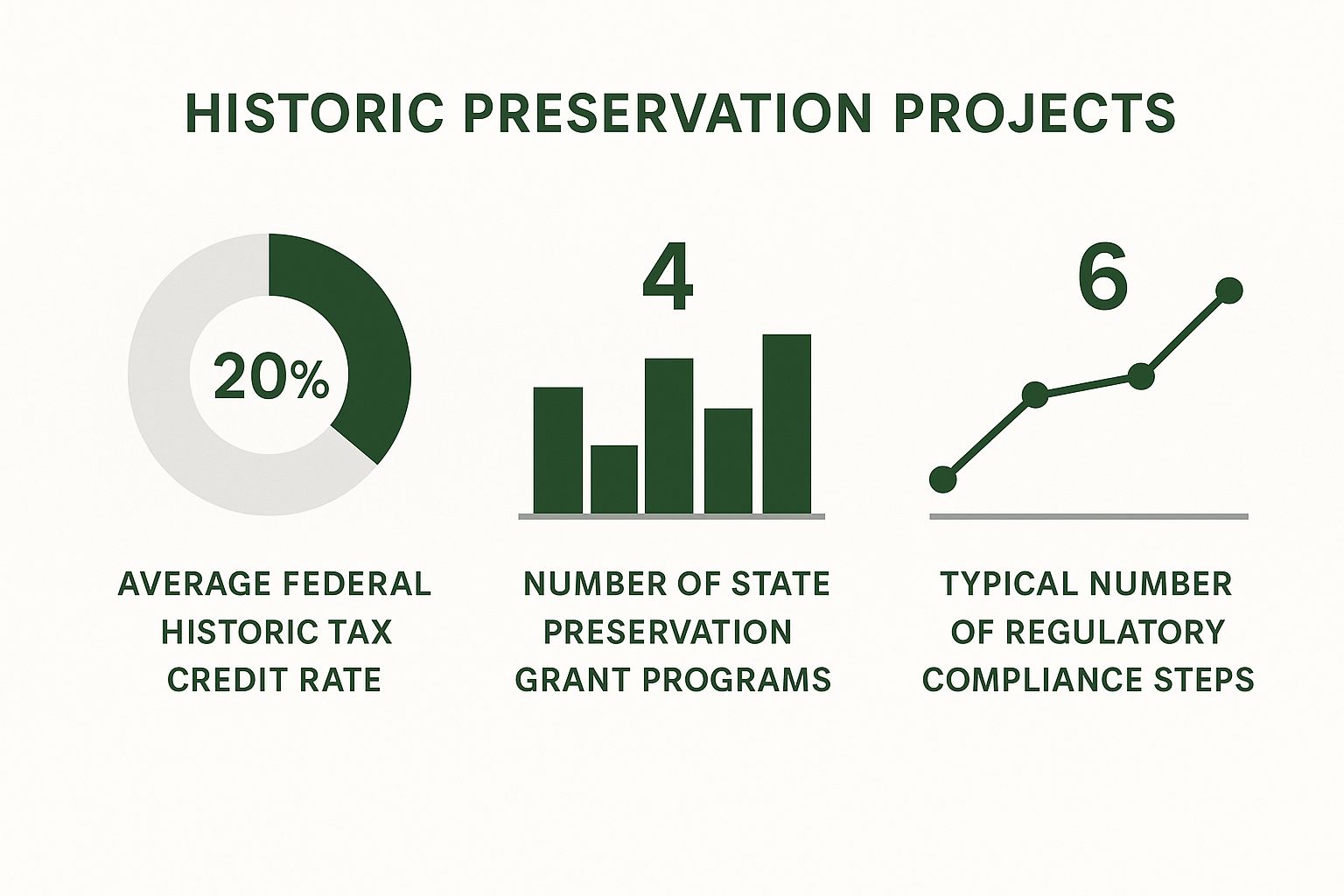
As you can see, the chance to get a 20% federal tax credit or secure various state grants can make a huge difference. But getting that money is entirely dependent on clearing every regulatory hurdle along the way.
Cracking the Regulatory Code
Every historic project has multiple layers of oversight. The big one at the federal level is the Secretary of the Interior's Standards for Rehabilitation. Think of these ten standards as the guiding principles for any work you do, ensuring you maintain the property's historic character even while making necessary updates.
Then you have the local rules. These come from your city's historic district commission or landmarks board, and they can be just as demanding. A huge part of a preservation architect's job involves navigating conservation area planning permission and securing heritage approvals for any work in these protected zones. An architect with a solid local reputation will already have relationships with these boards. They know what the reviewers are looking for and how to present your project to get a green light.
The right architect knows that regulations aren't just obstacles. They're the playbook. When you follow the plays correctly, you unlock the financial incentives. They see the direct line from compliance to credit.
This kind of expertise is becoming more critical. The market for building preservation services is currently valued at $62 million and is expected to grow at a 5.8% CAGR over the next ten years. With cities growing and heritage laws getting stricter, having a skilled architect on your team is no longer a luxury—it's a necessity.
Unlocking the Financial Benefits
This is where a preservation architect truly pays for themselves. They speak the language of financial incentives and know how to design a project from the very beginning to meet the qualifications.
Here are a few of the key programs they can help you tap into:
- Federal Historic Preservation Tax Incentives: This is the big one. It offers a 20% tax credit on qualified rehabilitation costs for income-producing properties. Your architect will make sure the entire project, from design to the final nail, follows the Secretary's Standards to the letter so you can claim this credit.
- State Historic Tax Credits: Many states have their own tax credit programs. The best part? You can often stack these on top of the federal credit, which means even bigger savings.
- Preservation Grants and Easements: Your architect will be on the lookout for grant money from groups like the National Trust for Historic Preservation or local heritage foundations. They can also walk you through preservation easements, which can offer tax deductions if you agree to legally protect your property's historic character forever.
With the right expert in your corner, what seems like a costly and over-regulated headache becomes a smart, sustainable investment in preserving a piece of history.
Asking the Right Questions in Your Interview
You’ve checked their credentials and poured over their portfolio. Now comes the real test: the interview. This is where you find out if the architect who looks great on paper is actually the right partner for your project. Think of it less like a formal Q&A and more like a conversation to see if you truly click.
This is your chance to get past the polished portfolio photos and understand their real-world process. How do they handle surprises? What’s their communication style really like? You're looking for someone who has both the technical chops and the right temperament for the unique journey of a historic renovation.
Digging Into Their Process and Philosophy
First, you need to get a feel for how they think. A historic project is a delicate balancing act between preservation ideals and the practical realities of modern life—budgets, building codes, and your own needs.
Try asking a few questions that get to the heart of their approach:
- Walk me through how you handle unforeseen conditions—like finding structural damage behind a wall. Can you give me a specific example from a past project?
- How would you describe your working relationship with contractors, engineers, and the local historic commission?
- What’s your philosophy on integrating modern systems (like HVAC or updated electrical) into a historic building while respecting its character?
What you're listening for is a sense of collaboration and flexibility. You want an architect who sees contractors as partners in problem-solving, not adversaries. If they talk about open communication and creative solutions, that’s a fantastic sign.
A great preservation architect won’t just have all the answers; they’ll ask you thoughtful questions. It shows they're already engaging with your project and thinking about its unique challenges.
Putting Their Problem-Solving Skills to the Test
This is where you can separate the good architects from the great ones. Anyone can talk a good game, but you want to see how they think on their feet. The best way to do that is with a real-world scenario.
Historic projects are full of these little conflicts. For example, a modern code requirement often clashes with a significant historic feature. Don't just ask if they've handled it; ask them how.
Try this one: "Tell me about a time a modern accessibility or fire code requirement conflicted with a key historic element. How did you navigate that with the building officials and the client?"
A boilerplate answer is a red flag. What you want to hear is the story—the research they did into alternative compliance paths, the conversations they had with code officials, and the clever design workarounds they developed. This is what a true historic preservation architect does: they find a way to meet modern standards without sacrificing the building's soul.
Before we get to checking references, it's crucial to have a solid list of questions ready for your interview. I've put together a table with some essential questions to help guide your conversation and ensure you cover all the important bases.
| Essential Questions to Ask a Preservation Architect |
| :— | :— | :— |
| Category | Sample Question | What to Listen For |
| Experience & Philosophy | "Can you walk me through a project similar to mine, from initial concept to completion?" | Details about their process, how they handled challenges, and their role in managing the project. |
| Technical Skills | "How do you approach documenting existing conditions before design work begins?" | Mention of specific techniques like HABS/HAER documentation, laser scanning, or material analysis. |
| Problem-Solving | "Describe a time you discovered a major unforeseen issue during construction. How did you resolve it?" | A calm, methodical approach. Evidence of clear communication with the client and contractor. |
| Regulatory Navigation | "What's your experience with the local historic district commission and securing approvals?" | Familiarity with local officials and processes. Stories of successful negotiations. |
| Collaboration & Communication | "How do you prefer to communicate with clients and the project team during the construction phase?" | A clear plan for regular updates (e.g., weekly meetings, site reports). A collaborative tone. |
| Budget & Schedule | "How do you develop a project budget and what's your track record for staying on track?" | Honesty about the unpredictability of historic projects, but a solid process for estimating and tracking costs. |
Having these questions in your back pocket will help you steer the conversation and get the specific, detailed answers you need to make a confident decision.
Checking References the Right Way
Finally, don’t treat reference checks as a box-ticking exercise. This is your opportunity for a candid conversation with people who have already been through this process with the architect you're considering.
Get beyond the generic "Were you happy with them?" and ask pointed questions that will give you real insight.
- Budget and Timeline: "How did the final project cost and timeline compare to the initial estimates? How did the architect communicate and manage any changes?"
- Communication: "On a scale of 1-10, how would you rate their responsiveness? Were you kept in the loop on key decisions and potential issues?"
- Advocacy: "Can you give me an example of a time the architect went to bat for you, whether it was with the city or a contractor?"
Hearing directly from past clients is invaluable. It helps you confirm that the person you met in the interview is the same person who will show up on the job site, ready to be a dedicated partner in preserving your building's legacy.
Common Questions About Hiring a Preservation Architect

Stepping into a historic renovation for the first time is bound to bring up a lot of questions. It's totally normal to wonder about everything from budgets and timelines to what, exactly, the architect will be doing day-to-day. Getting these common concerns out on the table early on helps clear the air and lets you move forward with a solid plan.
One of the first things on every property owner's mind is cost. How are the fees for a historic project structured, and should you expect to pay more than for a standard renovation?
The short answer is, typically, yes. The fees for historic preservation architects often reflect the added layers of complexity. These projects demand intensive research, detailed documentation, and specialized consulting that you just don't see in new construction. While the fee structure might be familiar—a percentage of construction cost, an hourly rate, or a fixed fee—the total will account for navigating preservation standards and the inevitable surprises that old buildings hold.
What Is the Typical Timeline for a Historic Project?
Another big question mark is the timeline. I tell all my clients upfront: historic projects almost always take longer than new construction or a standard remodel. This isn't about being inefficient; it's about being deliberate and respectful of the building's story.
Several things unique to preservation work stretch out the schedule:
- The Deep Dive: Before a single line is drawn, your architect has to become a historian, digging into the building's past. This research phase can easily take weeks or even months.
- The Approval Gauntlet: Getting the green light from local historic commissions or state preservation offices is a major time factor. It's not uncommon to go through multiple review meetings before breaking ground.
- The Materials Hunt: Sourcing authentic materials or finding craftspeople to custom-fabricate them is a specialized—and often slow—process.
- The Unexpected: You never really know what’s behind a 100-year-old wall until you open it up. Hidden structural problems or decay can add significant time to the construction phase.
A good preservation architect doesn't just hope for the best; they plan for these realities. They’ll build contingencies into the project schedule from the get-go, so you have a realistic picture of the commitment you're making.
The most successful historic preservation projects are built on a foundation of patience and meticulous planning. Rushing the process compromises the very integrity you're trying to save.
How Involved Is the Architect During Construction?
So, the plans are approved and the crew is on site. What happens next? In a historic project, your architect's job is far from over. In fact, it's just getting started. Their role during the build is much more hands-on than simply handing over a set of drawings.
This phase is often called construction administration, and it's where your architect becomes your chief advocate and quality control expert. They'll be on-site regularly, making sure the contractor is following the plans to the letter and using the right techniques for historic materials. They're there to troubleshoot problems on the fly, review payment requests, and ensure every detail honors the preservation goals. This oversight is absolutely essential to protect both the historic fabric of your building and your investment.
At Sherer Architects, LLC, we've guided countless clients through every stage of the historic preservation journey, from that first spark of an idea to the final walkthrough. Our team has the expertise to navigate the complex regulations and bring your property's unique legacy into the future.
See how we can bring your historic project to life by visiting us at https://shererarch.com.
Article created using Outrank